Snakes, insects, stray dogs and safety
Bali is a safe place to live, but the hazards are different from home. Know the handful that actually matter and what to do in the first ten minutes.
What is actually out there
Snakes
Rare but realBali has cobras, kraits, pit vipers and the green tree viper (common in rice-field areas and gardens after rain). Most bites happen at night to bare feet. Wear closed shoes and carry a torch after dark, keep grass short, and never try to catch or kill one — call a snake catcher.
Mosquitoes & dengue
The real riskDengue is far more likely than any snake. The mosquito bites during the day. Use repellent with DEET or picaridin morning and late afternoon, sleep with aircon or a net, and empty standing water around the villa. Sudden high fever, severe headache and body aches means get a blood test the same day.
Centipedes & scorpions
Painful, not deadlyGiant centipedes hide in shoes, towels and damp bathrooms. The bite is intensely painful for hours. Shake out shoes and clothing, and check bedding in the wet season. Wash the site, apply heat, take painkillers, and see a doctor if swelling spreads.
Monkeys
Ubud & UluwatuThey will take sunglasses, phones, water bottles and bags. Do not carry food, do not make eye contact, do not smile with teeth. A monkey bite or scratch is a rabies risk — treat it as urgent.
Stray dogs
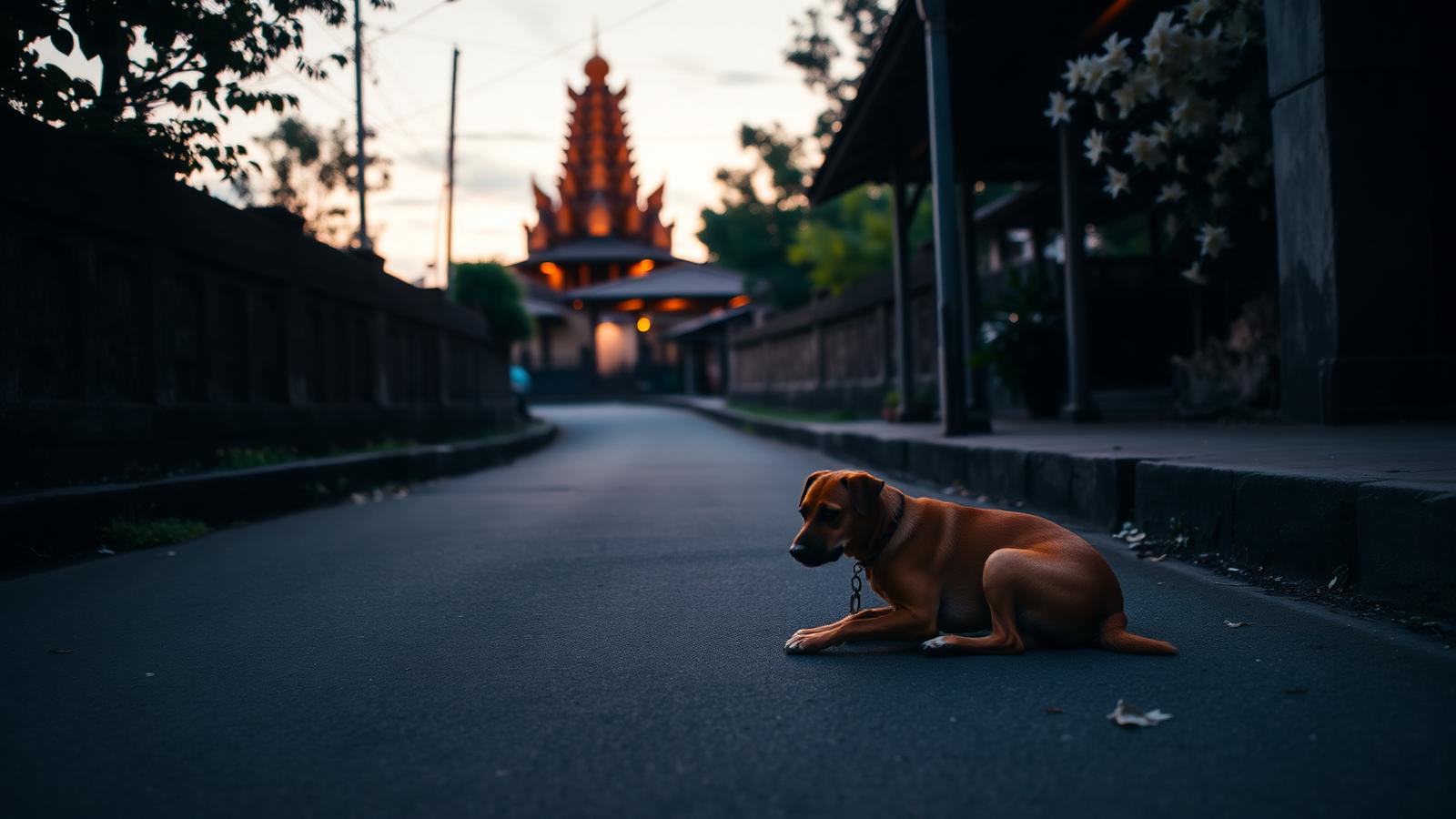
Rabies-endemicMost are harmless but territorial at night, especially in packs on quiet lanes. Do not run, do not stare, walk on calmly. On a scooter, slow down rather than accelerating past. Bali is rabies-endemic — every bite or scratch needs medical care.
Ocean hazards
Rips & reefRip currents cause more visitor deaths than everything on this page combined. Swim between the flags at patrolled beaches (Kuta, Legian, Sanur, Nusa Dua). Sea urchins and coral cuts get infected fast — clean and disinfect immediately.
The Tomcat beetle (Paederus) — the one nobody warns you about
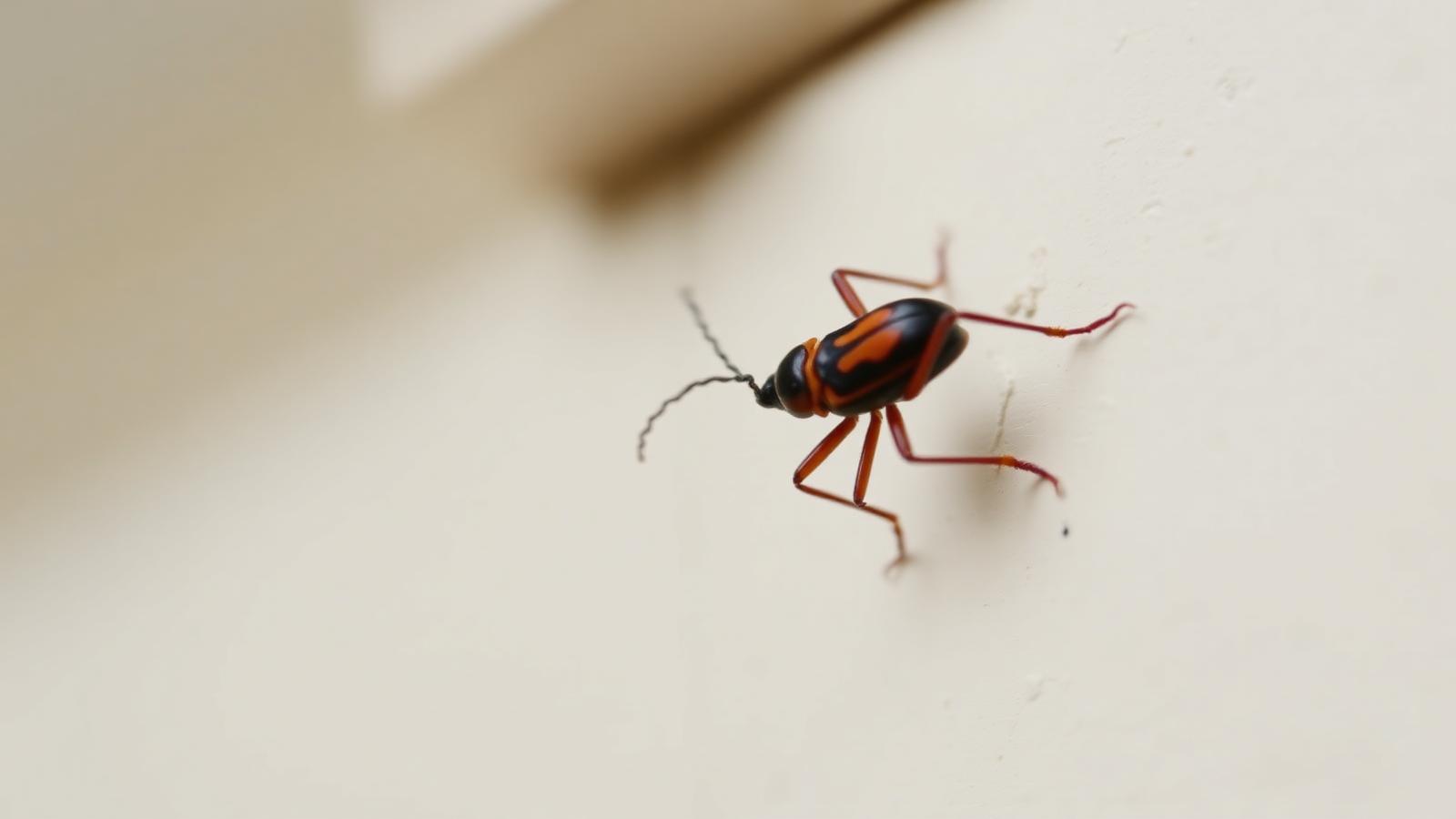
A tiny orange-and-black rove beetle, about 7–10 mm long, that turns up in the wet season and around night lights. It does not bite or sting. The damage comes from its body fluid, which contains pederin — a blistering agent stronger, drop for drop, than cobra venom.
Why it matters
Wet seasonTomcats swarm after heavy rain and at the start and end of the wet season, drawn indoors by white lights and phone screens. They are common in Canggu, Ubud, Seminyak, rice-field areas and anywhere near irrigated fields. Outbreaks make the local news most years.
What the reaction looks like
Paederus dermatitisNothing happens for 12–36 hours, then a red, burning streak appears — often a long line or a mirror-image "kissing" patch in a skin fold. Blisters follow, sometimes with fever and swollen glands. It is frequently mistaken for shingles or a chemical burn. It heals in 10–14 days and may leave a darker mark for months.
If one lands on you
Do this- Do not slap, squash or rub it. Blow it off, or lift it away with a piece of paper or a card.
- Wash the area immediately with soap and cool running water — the sooner the better, and wash your hands too.
- Check where else it walked: pillows, towels and clothing can carry the fluid onto skin hours later. Wash them.
- If a rash appears, cool compresses plus a mild steroid cream and an antihistamine usually settle it. A pharmacy can supply both.
- See a doctor if blisters are large, spreading, near the eyes or genitals, if there is fever, or if the skin looks infected — an antibiotic may be needed.
- Do not pop the blisters and keep the area covered and clean; that is what leaves scarring.
Keeping them out of the villa
Prevention- Turn off or dim outside white lights at night in the wet season, and use warm or yellow bulbs — they attract far fewer.
- Close windows and doors at dusk, especially rooms facing rice fields, and use screens where you can.
- Sleep under a mosquito net if your room is open-air; it stops beetles landing on you overnight.
- Shake out towels, sheets and clothes left out overnight before using them.
- Keep your phone and laptop screens away from open windows after dark — the light draws them straight in.
- If you see several indoors, sweep them out rather than spraying; the bodies are still hazardous once dead.
Squashing or slapping one releases the pederin and smears it. Blow it off or flick it away with a piece of paper, then wash your hands and anywhere it walked with soap and water. If fluid gets near your eye, rinse for 15 minutes and see a doctor the same day — it can cause a painful conjunctivitis known locally as Nairobi eye.
Bitten or scratched by an animal
Dogs, monkeys, cats and bats — treat every one as a rabies exposure.
- Wash the wound with soap under running water for a full 15 minutes. This alone dramatically cuts the risk.
- Apply antiseptic (iodine or alcohol) and do not close or stitch the wound.
- Go to a hospital the same day — BIMC, Siloam and Kasih Ibu carry rabies vaccine and immunoglobulin.
- Post-exposure vaccination is a course of injections over 28 days. Start it immediately; rabies is effectively 100% fatal once symptoms appear.
- If you were pre-vaccinated you still need booster doses, but not immunoglobulin.
- Keep every receipt and the vaccination card for your travel insurance claim.
Snakebite first aid
- Keep the person still and calm; movement spreads venom. Do not walk them any further than necessary.
- Immobilise the limb below heart level and remove rings, watches and tight clothing.
- No tourniquet, no cutting, no sucking, no ice. These make outcomes worse.
- Photograph the snake only if it is safe from a distance — never chase it.
- Go straight to Sanglah (RSUP Prof. Ngoerah) in Denpasar, the referral hospital with antivenom stocks. Call 118 for an ambulance.
Everyday safety
- Petty theft: bag-snatching from scooters happens in Kuta, Seminyak and Canggu. Wear bags across the body, on the side away from traffic.
- Never leave your phone on a café table facing the street, and never leave anything in a scooter basket.
- Drink spiking and methanol poisoning: buy spirits only at reputable venues and never accept unattended drinks. Cheap 'arak cocktails' are the risk.
- Volcano and earthquake: Bali is seismically active. Know your villa's exit and follow BNPB alerts during Agung activity.
- Wet season flooding: avoid riding through flooded roads — the drains are open and deep.
- Save the emergency numbers below to your phone now, and download the Medical page map for offline use.
Emergency contacts
Ambulance (national)
Emergency
Also 119. Response times vary — a Grab car to hospital is often faster in traffic.
RSUP Prof. Ngoerah (Sanglah)
Antivenom & trauma
Main referral hospital. Holds snake antivenom and handles major trauma.
BIMC Hospital Kuta
Rabies vaccine
24-hour English-speaking care, rabies post-exposure treatment, insurance-friendly.
BAWA Animal Rescue
Dogs & wildlife
24-hour hotline for injured, aggressive or suspected-rabid animals, and snake removal advice.